
Education is no longer limited to classrooms, fixed schedules, or physical locations. With the rapid growth of digital technology, e-learning websites have become a powerful solution for learners, educators, and institutions worldwide. From school students to working professionals, online learning platforms are reshaping how knowledge is delivered and consumed.
This article explains why e-learning websites are useful, how they work, and how they are changing the future of education.
What Is an E-Learning Website?
An e-learning website is an online platform that delivers educational content through the internet. These platforms typically include video lessons, live classes, quizzes, assignments, discussion forums, and certificates. Many also support mobile learning, allowing users to study from smartphones or tablets.
Popular global platforms like Coursera and Khan Academy show how digital education can reach millions of learners across different age groups and skill levels.
Why E-Learning Websites Are Important Today
Flexible Learning Anytime, Anywhere
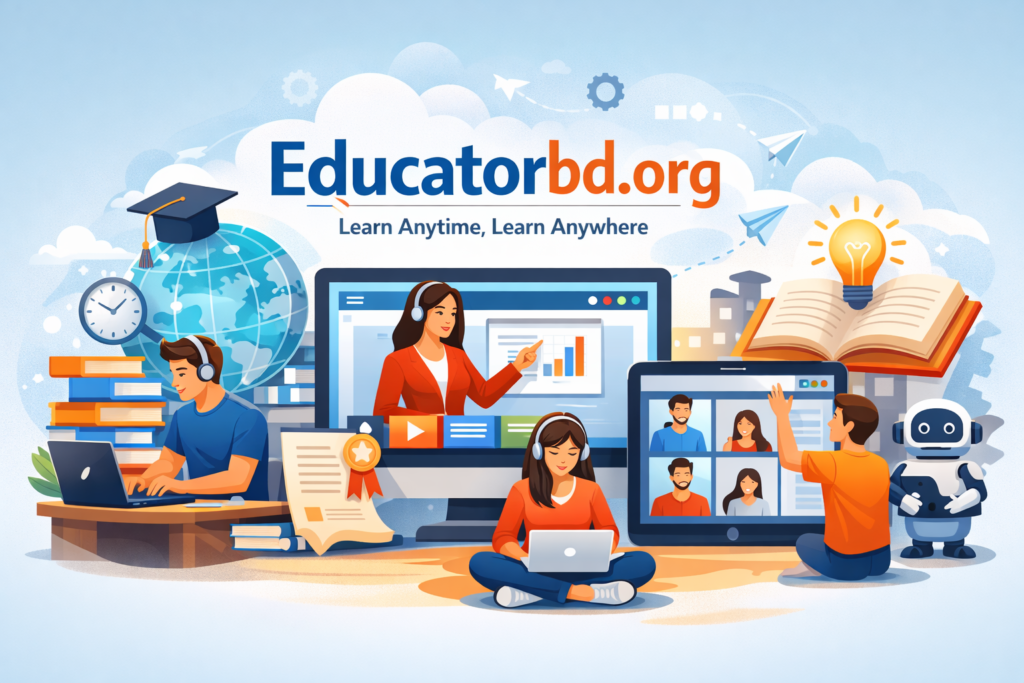
One of the biggest benefits of e-learning websites is flexibility. Learners can access courses at any time and from any location. This is ideal for students managing studies alongside work, family, or travel. Unlike traditional education, online learning does not require physical attendance.
Cost Effective Education
E-learning platforms significantly reduce costs related to travel, accommodation, and printed materials. Many websites offer affordable courses, subscription models, or even free learning resources. This makes quality education accessible to a much wider audience.
According to UNESCO, digital learning plays a key role in making education inclusive and affordable, especially in developing regions.
Wide Range of Courses and Skills
E-learning websites are not limited to academic subjects. They cover:
-
School and university level education
-
Language learning
-
Programming and IT skills
-
Digital marketing and business
-
Personal development and creative skills
This variety allows learners to choose exactly what they need, instead of following a rigid curriculum.
Self-Paced and Personalized Learning
Everyone learns at a different speed. E-learning platforms allow learners to pause, replay, and review lessons as needed. Many modern platforms use data and AI to recommend content based on learner progress, making the learning experience more personalized.
Interactive and Engaging Content
Unlike traditional lecture-based teaching, e-learning websites use interactive videos, quizzes, animations, and real-world projects. These methods improve engagement and help learners understand concepts more clearly.
Platforms like edX demonstrate how interactive digital content can improve knowledge retention and learner motivation.
How E-Learning Websites Work
Digital Course Structure
Most e-learning websites follow a structured format that includes:
-
Video or text-based lessons
-
Practice quizzes and assessments
-
Assignments or projects
-
Progress tracking dashboards
This structure helps learners stay organized and motivated throughout the course.
Learning Management Systems
Behind every successful e-learning website is a learning management system. An LMS helps manage users, courses, progress reports, and certifications. It also allows instructors to upload content, track engagement, and communicate with students.
Mobile and Cloud Access
Modern e-learning platforms are cloud-based and mobile-friendly. This means learners can switch devices without losing progress and continue learning on the go.
How E-Learning Websites Are Changing Education
Breaking Geographic Barriers
E-learning removes location-based limitations. Students in rural or remote areas can access the same quality education as those in major cities. A learner can attend classes taught by global experts without leaving home.
This global access to education is one of the strongest advantages of online learning platforms.
Supporting Lifelong Learning
Education is no longer limited to a specific age. E-learning websites support lifelong learning by allowing people to continuously upgrade skills, switch careers, or explore new interests. This is especially important in industries where skills change rapidly.
The World Economic Forum highlights online learning as a key driver for future workforce reskilling.
Faster Skill Development for Careers
Traditional education systems often take years to update curricula. E-learning platforms can launch new courses quickly based on industry demand. This helps learners gain job-ready skills faster and stay competitive in the job market.
Empowering Teachers and Institutions
E-learning websites allow educators to reach larger audiences without expanding physical infrastructure. Teachers can reuse content, experiment with new teaching styles, and focus more on student support rather than repetitive tasks.
Institutions also benefit by reducing operational costs while improving learning outcomes.
Data Driven Learning Improvement
E-learning platforms collect learning data such as completion rates, quiz scores, and engagement levels. This data helps improve course quality, identify learning gaps, and refine teaching strategies for better results.
Who Benefits Most from E-Learning Websites
-
Students seeking flexible and affordable education
-
Working professionals upgrading skills
-
Teachers and trainers expanding their reach
-
Educational institutions modernizing their systems
-
Businesses training employees efficiently
E-learning websites serve both individual learners and large organizations equally well.
Key Features of a Successful E-Learning Website
User Friendly Design
A clean and simple interface helps learners focus on content rather than navigation. Easy access to courses, progress tracking, and support is essential.
High Quality Content
Clear explanations, well-structured lessons, and practical examples build trust and credibility. Content quality directly impacts learner satisfaction and success.
Secure and Scalable Platform
A good e-learning website must be secure, fast, and able to handle growth. Cloud hosting and regular updates ensure reliability and performance.
The Future of E-Learning Websites
The future of e-learning is strong and continuously evolving. Technologies like artificial intelligence, virtual reality, and adaptive learning systems are making online education more immersive and effective. Hybrid learning models, combining online and offline education, are also becoming more popular.
As internet access expands globally, e-learning websites will play an even bigger role in shaping education systems worldwide.
Final Thoughts
E-learning websites are not replacing traditional education. They are enhancing it. By offering flexibility, affordability, accessibility, and innovation, they make learning more inclusive and practical for modern lifestyles.
Whether you are a student, professional, educator, or business owner, e-learning platforms provide a powerful way to learn, teach, and grow in a digital world. As technology advances, e-learning will continue to redefine how education is delivered and experienced.